What Is Matcha Latte Good for? Real Benefits

The most popular advice about matcha is also the least useful: “Matcha is healthy, so any matcha latte must be a healthy choice.” That skips the part that determines your actual experience, namely the powder dose, milk, sweetener, serving size and preparation.
A carefully portioned, lightly sweetened latte can be a practical source of daytime caffeine and a pleasant way to support alertness. A large café drink packed with syrup can deliver a very different result. So, what is matcha latte good for? Primarily, it can provide manageable caffeine in a smooth, milk-based drink, but its value depends far more on the recipe than on the green colour alone.
Table of Contents
- The Reality Behind Matcha Latte Health Claims
- Nutritional Profile and Recipe Impact
- Cognitive Effects of Caffeine and L-theanine
- Managing Daily Caffeine Intake Safely
- Comparing Matcha Lattes to Coffee and Steeped Tea
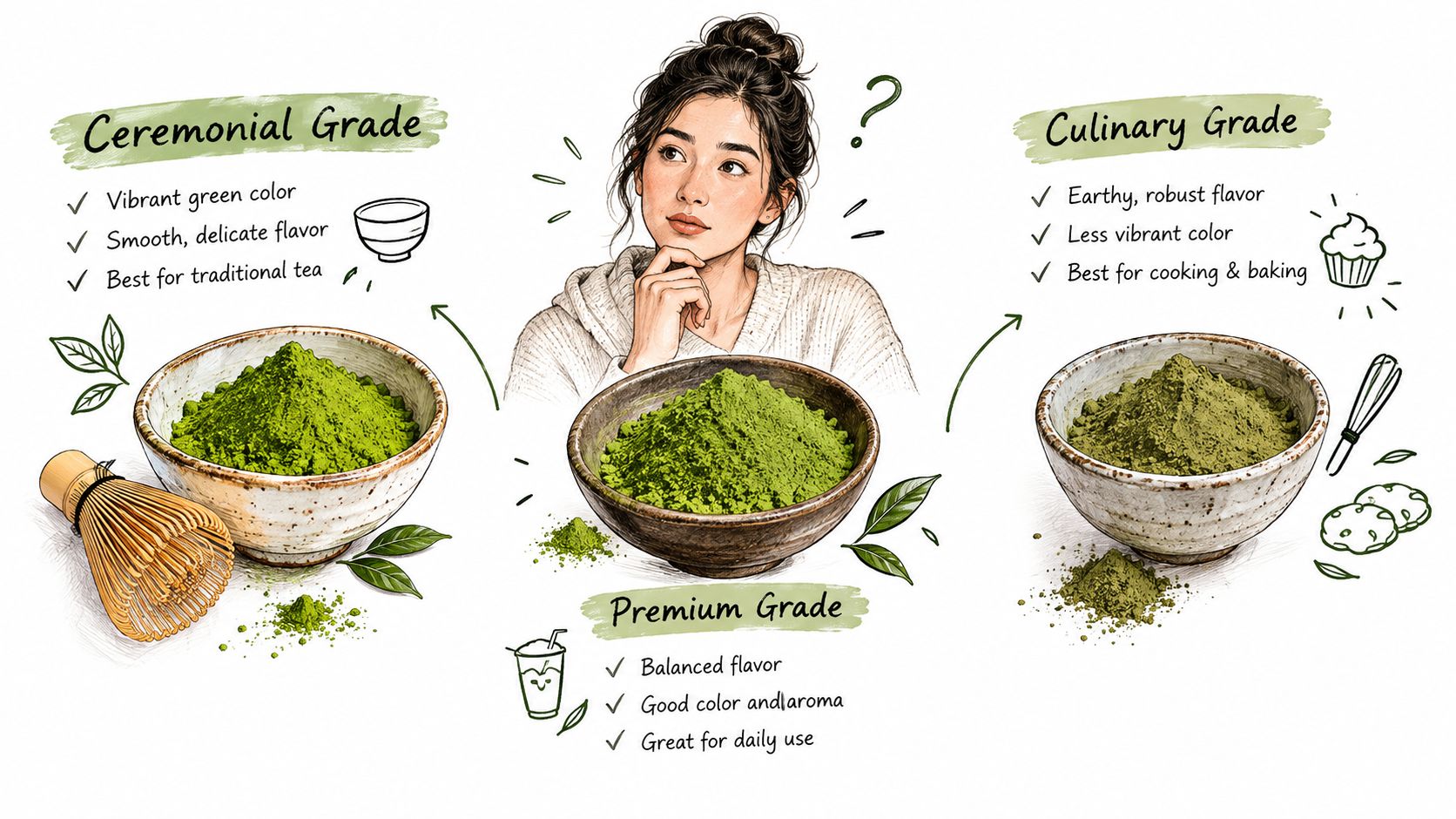
- Choosing the Right Matcha Grade for Your Needs
The Reality Behind Matcha Latte Health Claims
Matcha is powdered green tea, so you consume the suspended tea particles rather than steeping leaves and discarding them. That makes matcha distinct from ordinary brewed tea, but it doesn't turn a latte into a medicine. The strongest Australia-specific case for drinking one is practical: matcha can diversify your caffeine routine and provide a controllable lift when the recipe is consistent.
The drink's ingredients decide whether that potential benefit survives preparation. Unsweetened matcha whisked into dairy or unsweetened plant milk has a different nutritional profile from a café latte containing flavoured milk, syrup and a generous serving of powder. The same word on the menu can describe drinks with very different amounts of caffeine, sugar and energy.
Australian Dietary Guidelines describe green and black tea consumption as associated with a reduced risk of stroke. That is a population-level association, not proof that a matcha latte prevents stroke, and it isn't a reason to treat matcha as a substitute for sleep, balanced meals or medical care. The evidence supports measured language, not promises about detoxification, weight loss or disease prevention.
The practical answer: Matcha latte is good for a convenient tea-based caffeine ritual, especially when you control the powder and keep added sugar modest.
This is also why “smooth energy” needs careful interpretation. Some people find matcha more comfortable than coffee, but a smoother sensation doesn't necessarily mean lower caffeine, guaranteed anxiety protection or an absence of an eventual energy dip. Your response will depend on caffeine sensitivity, sleep, food intake and the total amount you consume.
Nutritional Profile and Recipe Impact
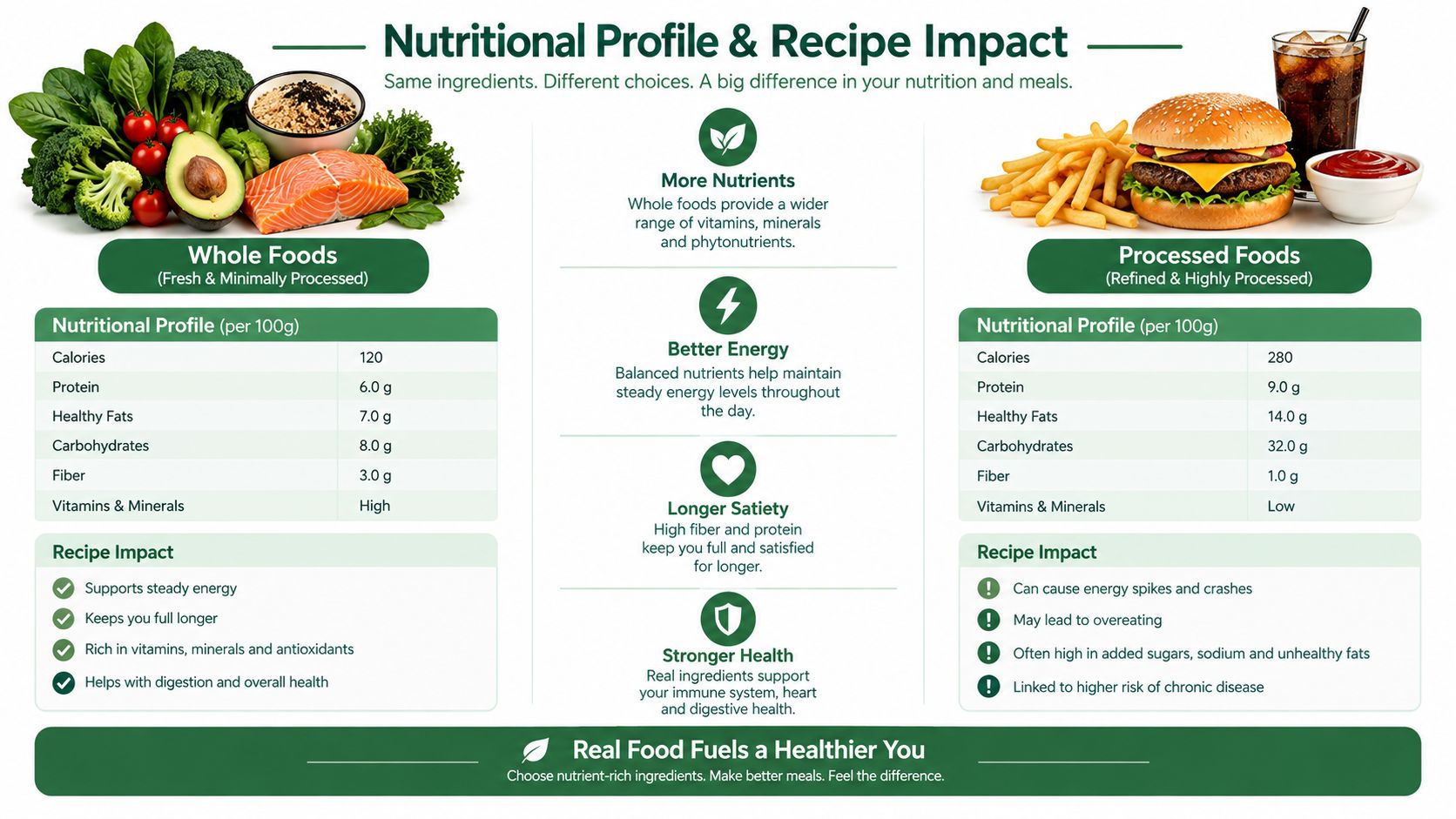
The powder contributes the tea component, while the liquid base and sweeteners shape much of the final drink. Matcha itself is made from green tea leaves, but a latte also contains milk or a plant-based alternative, and those choices affect energy, sugars, protein, fat and texture.
Milk can make matcha more satisfying and easier to drink, particularly for people who find straight matcha bitter or intensely savoury. Unsweetened dairy or plant milk keeps the recipe closer to the tea's flavour. Flavoured milks and syrups add sweetness that can overwhelm bitterness, but they also change the drink from a relatively simple tea beverage into a dessert-like option.
The recipe matters more than the label
Use this quick test before deciding whether a latte fits your routine:
- Powder: Ask how much matcha goes into the cup. More powder generally means a stronger tea flavour and potentially more caffeine, but the exact dose varies between products.
- Milk: Check whether the base is dairy, unsweetened plant milk or a sweetened flavoured option. These aren't nutritionally interchangeable.
- Sweetener: Separate naturally mild matcha from a drink made with syrup, sugar or a pre-sweetened blend.
- Size: A large cup can contain more of every ingredient, even if the drink tastes deceptively gentle.
For a more detailed explanation of how the ingredients affect the finished beverage, see matcha latte nutrition facts. The useful habit is to treat a matcha latte as a recipe, not as a single food with a fixed nutritional identity.
A pre-sweetened format can improve consistency because the powder and sweetener are already combined. For example, Premium Sweet Matcha 200g is described as a blend containing 30% authentic Japanese green tea leaves, with a naturally sweet, silky-smooth format that requires no additional sweetener. It is vegan, gluten free, dairy free and additive free according to the product information, but its sweetness still needs to be considered when you assess the drink as part of your overall diet.
A simple home formulation
Start with a modest amount of powder, blend it first with a little warm water, then add your milk. This prevents dry clumps and lets you taste the matcha before committing to a large serving. If it tastes too bitter, adjust the powder, temperature or milk before reaching for a large amount of syrup.
The most health-conscious version isn't necessarily the plainest drink. A latte that you enjoy and can prepare consistently may fit your routine better than an unsweetened cup you dislike and abandon. The important distinction is knowing whether you're choosing sweetness for flavour or assuming that sweetness somehow belongs to matcha's health benefits. It doesn't.
Cognitive Effects of Caffeine and L-theanine
The main functional reason people choose matcha is alertness. Matcha contains caffeine, and caffeine can support wakefulness and sustained daytime energy. The drink also contains L-theanine, an amino acid associated with tea, which is why matcha is often described as producing “calm focus”.
That phrase describes a possible experience, not a guaranteed pharmacological outcome. Human evidence about L-theanine's effects on cognition and anxiety is mixed, and findings vary according to study design, population and dose. Longer-term evidence is limited, so it would be inaccurate to promise that matcha prevents anxiety or removes caffeine's unwanted effects.
Product composition adds another layer of uncertainty. An Australian university thesis using LC-MS found substantial variation in L-theanine between green-tea products, and reported that traditional tea-leaf products had higher marker contents than tested tea-powder products. In other words, the word “matcha” doesn't tell you a fixed L-theanine-to-caffeine ratio.
Why the same latte can feel different
Suppose you drink one latte made with a small, weighed dose of a mild powder, then another made with a larger scoop from a different product. The colour may look similar, but the caffeine contribution and tea chemistry can differ. Add a sweetened milk, drink it quickly and consume it alongside coffee, and your overall experience changes again.
This is why weighing matcha is more reliable than relying on a teaspoon. A café that standardises powder by mass can offer customers more predictable caffeine exposure. At home, using the same measured dose each time helps you learn how your body responds.
Matcha and L-theanine benefits can be useful background reading, but the sensible takeaway is restrained: the combination may support alertness for some people, while the strength and consistency of the effect depend on the product and dose.
Smooth doesn't mean stimulant-free. If matcha gives you palpitations, anxiety or disrupted sleep, L-theanine isn't a reason to keep increasing the serving.
Grade affects flavour and preparation more directly than it guarantees a cognitive outcome. Ceremonial Grade Matcha 60g is described as shade-grown and sourced from Shizuoka, Japan, with a smooth, naturally sweet flavour, rich umami and an ultra-fine texture suited to whisking. That can make a pure cup more enjoyable, but it doesn't establish a fixed caffeine level or a guaranteed mental effect.
The most realistic promise is convenience. A good latte can make tea easier to consume during work or study, and a consistent recipe can help you judge whether the drink supports your own alertness. It can't replace adequate sleep, food, hydration or professional care for persistent anxiety and concentration problems.
Managing Daily Caffeine Intake Safely
A matcha latte isn't a caffeine-free herbal drink. Because the whole powdered leaf is used, the caffeine contribution depends on how much powder is in the cup and how concentrated the recipe is. The safest way to judge it is to count the drink alongside everything else you consume that day.
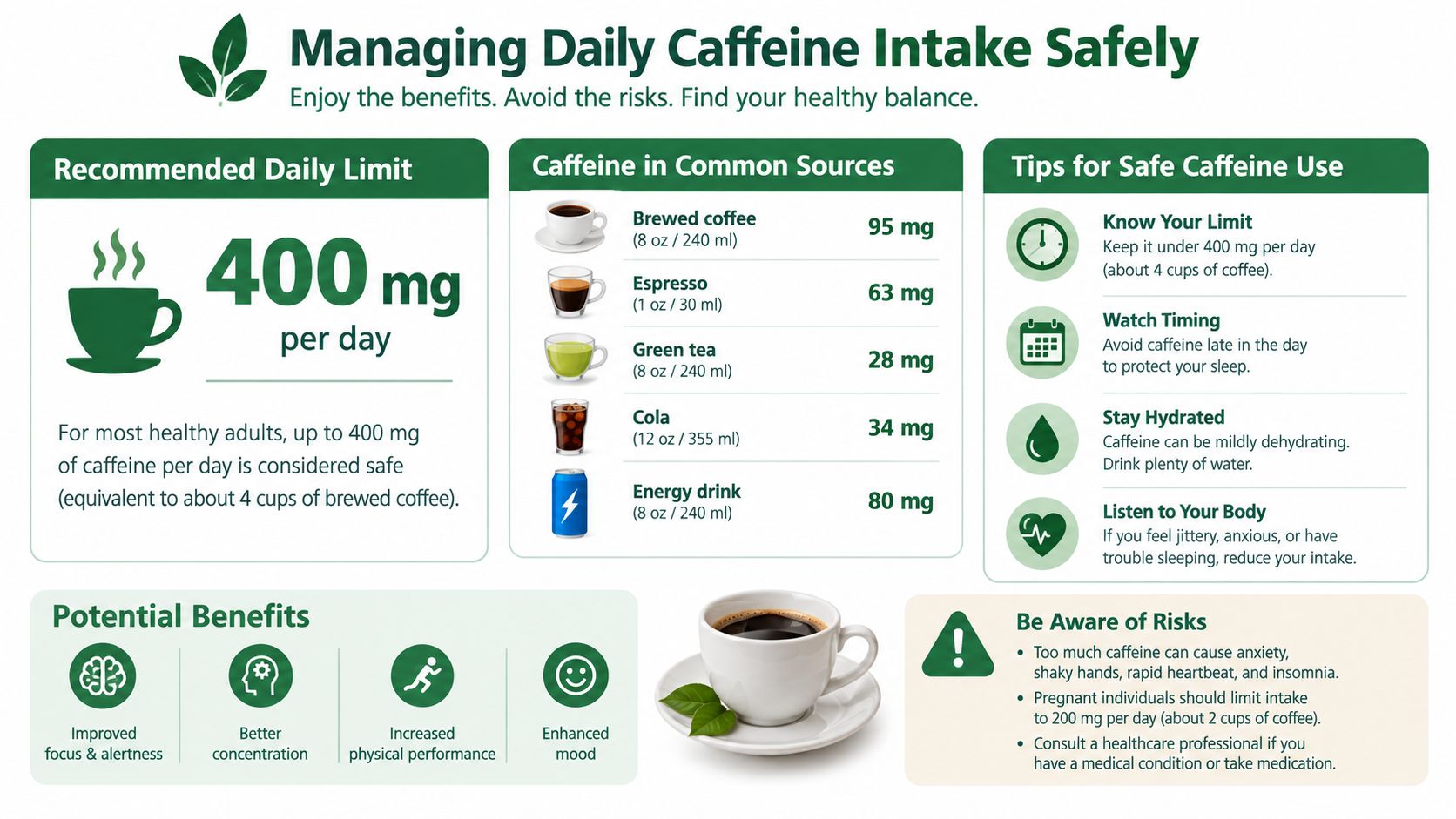
Australian health guidance generally places the upper habitual amount for healthy adults at around 400 mg of caffeine per day from all sources. Healthdirect's caffeine guidance also explains that matcha's caffeine content varies with the amount of powder used, so there isn't one universal figure for every latte.
Count the full day, not just the cup
Use this sequence when you prepare or order a latte:
- Identify the powder dose. Ask a café how much matcha it uses, or weigh your home portion. “One scoop” isn't a consistent measurement between people or products.
- List other caffeine sources. Include coffee, brewed tea, cola, energy drinks, chocolate and supplements. Food Standards Australia New Zealand reported that coffee, tea, soft drinks and flavoured mineral waters together supplied 92.6% of dietary caffeine in 2023 in Australia, showing why ordinary drinks can add up quickly.
- Consider the timing. Caffeine can alter sleep patterns when consumed too close to bedtime. It can also increase anxiety in some people, while reducing intake too quickly may cause headaches, tiredness, irritability and difficulty concentrating, as described by Healthdirect's food and mental health guidance.
- Reduce the serving if needed. A smaller latte or an earlier serving is more sensible than forcing yourself to finish a drink that makes you feel unwell.
Pregnant or breastfeeding people should use the lower benchmark of 200 mg of caffeine per day. Australian pregnancy caffeine guidance makes clear that matcha must be included in this total, because it isn't a caffeine-free alternative just because it comes from tea.
Children and adolescents shouldn't be treated as miniature adult caffeine consumers. Caffeine-sensitive people, anyone taking medicines that may interact with caffeine, and anyone experiencing palpitations, anxiety or insomnia should seek personalised advice and consider reducing or avoiding the drink.
The answer to “how much caffeine is in my matcha latte?” is therefore a recipe question. If the café can't provide a powder dose or estimate, treat the drink as variable rather than assuming it contains very little.
Comparing Matcha Lattes to Coffee and Steeped Tea
Matcha, coffee and steeped tea can all serve different purposes. Coffee often offers a familiar, stronger-tasting lift, while steeped tea lets you control exposure through a smaller serving or shorter infusion. Matcha sits between those choices as a powdered tea that can be portioned, whisked into milk and adjusted for flavour.
A standard 250 mL cup of tea contains approximately 27 mg of caffeine, with a reported range of 9 to 51 mg depending on the tea and preparation, according to the Australian Sports Commission's caffeine reference. NSW Health also lists approximately 27 mg in a 250 mL cup of tea, while noting that preparation can change the amount.
| Beverage Type | Estimated Caffeine, 250 mL | Energy Profile |
|---|---|---|
| Matcha latte | Varies with powder mass and formulation | Tea-based lift, with the experience shaped by dose, milk and sweetener |
| Coffee | Varies with brewing method and serving | Often perceived as a more pronounced coffee lift, but individual responses differ |
| Espresso-based drink | Varies with the number of espresso serves and milk recipe | Concentrated coffee flavour, with total caffeine determined by the coffee component |
| Steeped tea | Approximately 27 mg, with a range of 9 to 51 mg | Generally a lighter option, though strength and steeping affect the result |
Unlike steeped tea, matcha powder remains in the drink. Unlike coffee, it offers a tea flavour and can be prepared with a measured powder dose. That makes it useful for people who want to move away from coffee without removing caffeine completely.
However, matcha isn't automatically lower in caffeine than every coffee drink, and it isn't automatically gentler for every person. The most useful comparison is the one you can measure: powder mass for matcha, coffee quantity for espresso drinks and steeping strength for tea. Matcha versus coffee is best judged by your recipe and response, not by broad claims about which beverage is universally superior.
Choosing the Right Matcha Grade for Your Needs
Choose matcha according to how you plan to drink it. Grade mainly helps you predict flavour, texture and suitability for a preparation method. It doesn't provide a guaranteed caffeine amount or prove a health outcome.
For whisking and drinking plain
Ceremonial grade is generally chosen for traditional whisking and sipping with water. Its smoother flavour and vibrant colour can make the tea pleasant without milk, sugar or other ingredients covering the taste. If you enjoy the preparation itself, a bamboo whisk, bowl and fine sifter can help create a smoother suspension.
For milk-based drinks
Premium culinary grade is designed for stronger flavour and flexible use in lattes, smoothies, baking and other recipes. Milk can soften delicate tea notes, so a powder with enough flavour to remain noticeable is often more practical than using a very subtle powder intended for plain sipping.
For someone who wants to make both lattes and food, Premium Culinary Grade Matcha 60g is described as a Japanese-sourced, silky-smooth powder with bold flavour and vivid colour. The product information positions it for everyday lattes, baking and kitchen use, and describes it as vegan, gluten free, dairy free and additive free.
For speed and repeatability
A pre-sweetened matcha can remove separate measuring and sweetening steps. That suits people who want a quick iced drink or a consistent latte, but remember that convenience doesn't remove the need to consider added sweetness and your total daily intake.
Use warm, not scalding, water to first mix the powder into a smooth paste. Add milk gradually, whisk or froth thoroughly, then taste before adding anything else. For iced drinks, mix the matcha completely before pouring over ice, because the powder doesn't dissolve like ordinary instant coffee and can settle when left untouched.
The best matcha latte is the one whose ingredients and strength you understand. Start with a measured recipe, choose a grade that suits the milk or water preparation, and adjust sweetness rather than assuming more powder will improve the drink.
TOO MATCHA. offers Japanese matcha and hojicha powders in ceremonial, culinary and pre-sweetened formats for whisked drinks, lattes, iced beverages and recipes. Visit TOO MATCHA. to choose a powder that matches your preparation style and build a matcha latte with a more consistent flavour and caffeine routine.